Smart Farming
Agriculture has historically been one of the most essential human activities for the development of civilizations. However, the challenges of the 21st century—such as climate change, water scarcity, soil degradation, and population growth—demand a profound transformation in how we produce food. In this context, smart technologies in agriculture emerge as key tools to increase efficiency, reduce environmental impact, and improve sustainability in farming.
What is Smart Farming?
Smart farming refers to the use of digital and automated technologies to optimize agricultural processes. These technologies enable more informed and precise decision-making, save natural resources, boost productivity, and enhance crop traceability.
Smart farming is supported by disciplines such as the Internet of Things (IoT), Artificial Intelligence (AI), sensors, drones, robotics, big data, satellite technology, and renewable energy. When properly integrated, they allow real-time monitoring, control, and automation of multiple aspects of a farm.
Main Smart Technologies Applied in Agriculture
1. Sensors and Real-Time Monitoring
Soil and climate sensors for humidity, temperature, pH, nutrients, and solar radiation help determine exact field conditions. This data is transmitted via IoT to digital platforms to make precise decisions about irrigation, fertilization, or harvesting.
2. Automated Irrigation Systems
Smart irrigation delivers water in the right amount, at the right time, and only where needed. This not only reduces water consumption but also improves crop yield. Mobile and autonomous systems powered by solar energy and managed by microcontrollers are revolutionizing this area.
3. Drones and UAVs
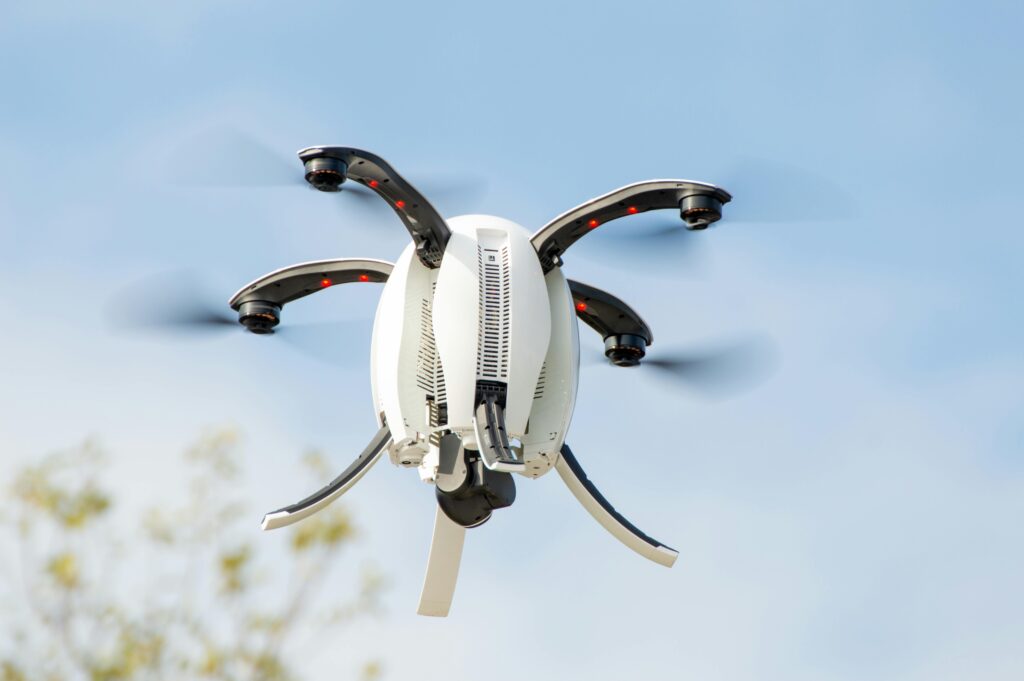
Equipped with multispectral cameras, drones provide detailed crop analysis, identifying pests, diseases, and water stress areas. They can also be used for the precise application of fertilizers or pesticides.
4. Agricultural Robotics
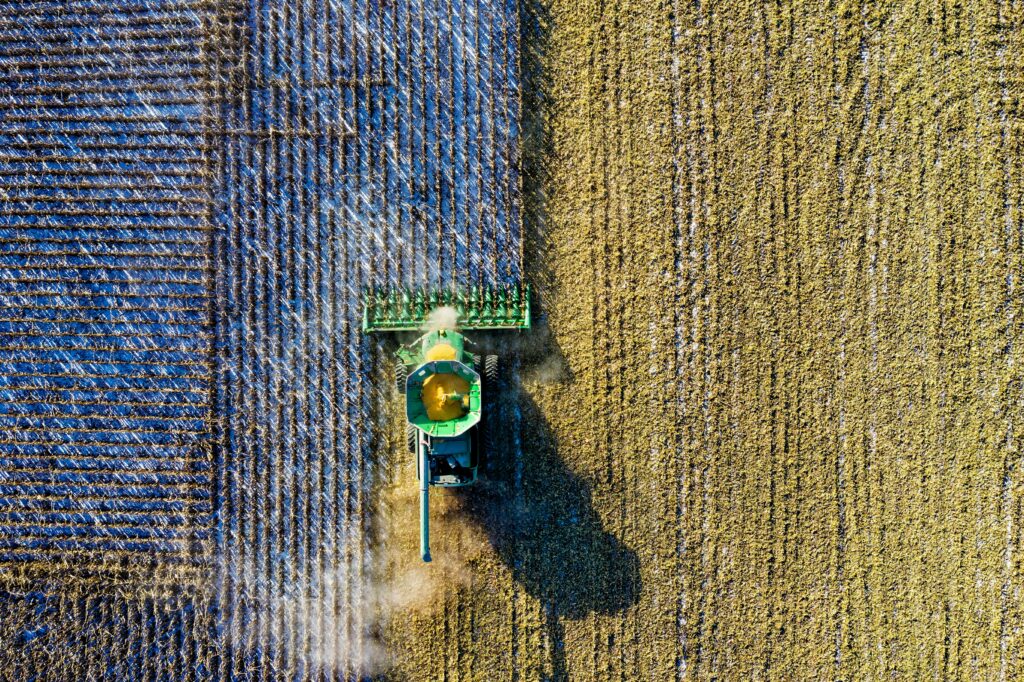
From autonomous tractors to smart harvesters, agricultural robotics reduce the need for intensive labor and allow longer, safer, and more efficient operation.
5. Artificial Intelligence and Big Data
AI algorithms process large volumes of data (weather, soil, yields, market prices) to recommend specific actions, predict harvest outcomes, and optimize strategic decisions.
6. Satellite Connectivity and Rural Networks
Connectivity is essential. In remote rural areas without traditional internet, satellite internet allows systems to stay connected and provides access to digital farm management platforms.
7. Clean Energy Sources
Using solar panels, lithium batteries, and hybrid systems enables agricultural technology to operate in remote areas without relying on the electrical grid.
Benefits of Adopting Smart Agricultural Technologies
- Increased Productivity
Data-driven decisions lead to higher yields per hectare. - Efficient Use of Resources
Reduces unnecessary use of water, fertilizers, and pesticides. - Reduced Environmental Impact
Targeted applications help protect soil, water, and biodiversity. - Climate Change Resilience
Early response to adverse conditions helps protect crops. - Traceability and Transparency
All data is recorded for audits, certifications, or exports.
The Future of Agriculture: Autonomous, Connected, and Sustainable
The advancement of these technologies not only transforms agricultural productivity but also redefines the role of the farmer—now becoming a manager of technological systems. Training, collaboration with agri-tech startups, and access to digital infrastructure will be essential to democratize innovation.
In Latin America and other emerging agricultural regions, these solutions also offer a unique opportunity to close development gaps, promote rural growth, and create new tech-based jobs.
Conclusion
Smart agriculture is not a trend; it is a necessity. Faced with global pressure to produce more food with fewer resources, smart technologies are the path toward a more efficient, resilient, and sustainable agriculture. Betting on innovation in the field means securing our planet’s food future.